1. The Brewers
The brewers produced beer – a staple food in many cities because water was often contaminated.
They were experts in malt production, fermentation and storage.
Beer brewing was a strictly regulated craft – quality, price and quantity were controlled by the guild.
In many towns, only a licensed master brewer was allowed to sell beer.
Brewers often owned their own breweries or communal breweries, where several guild members brewed together.
2. The coopers (or barrel makers)
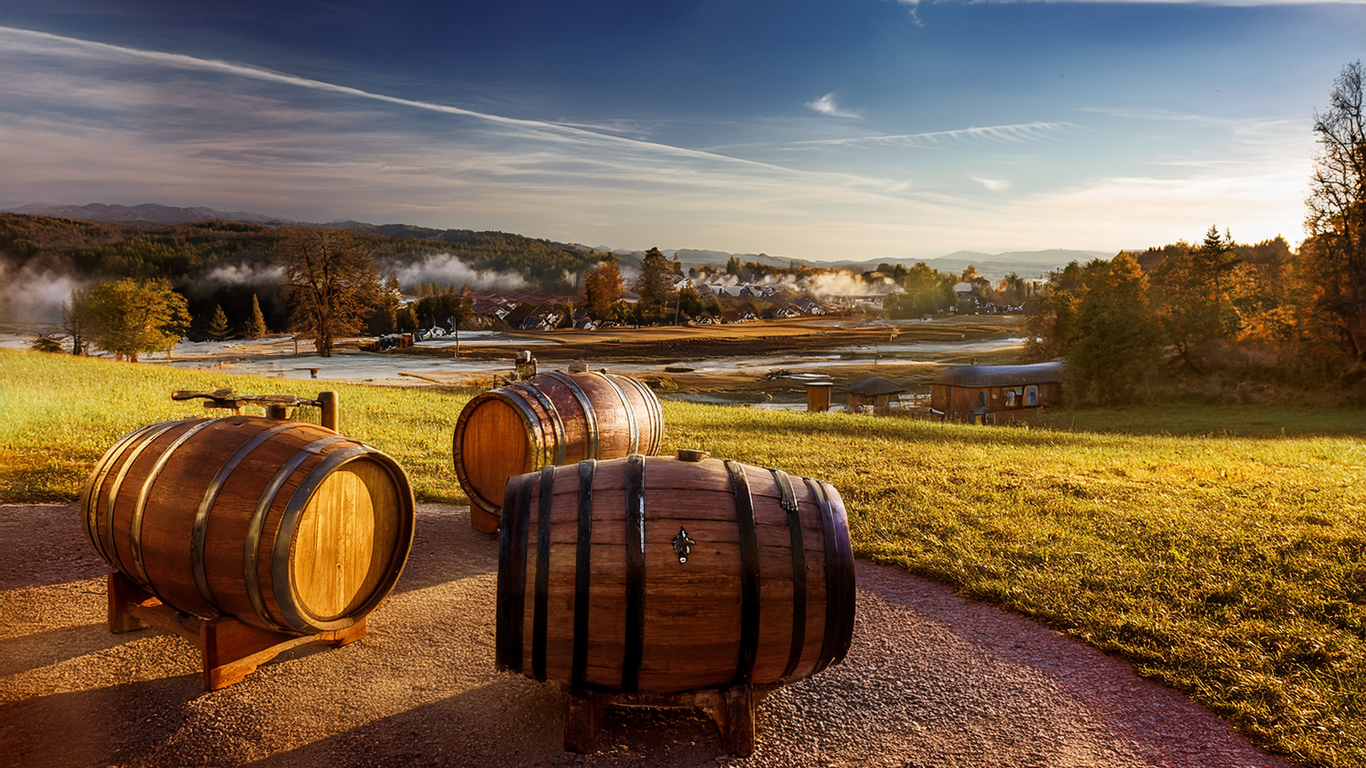
The coopers (also known as barrel makers or tanners) made barrels, vats and other wooden containers.
These were indispensable for beer storage, fermentation, transport and serving.
The craft required a great deal of skill, as the barrels had to be completely leak-proof – without modern sealants.
Wine, vinegar and spirits producers also relied on coopers.
3. Organisation and tasks of the guild
The guild was a kind of professional organisation with social, economic and religious functions:
It regulated training (apprentices, journeymen, master craftsman’s examination).
It protected its members from unfair competition.
It took care of the widows and orphans of guild members.
They often had their own guild houses, coats of arms and patron saints (e.g. St. Florian or St. Urban).
Guild festivals, processions and religious celebrations were important events in city life.
Today
Today, some traditional guilds or associations of brewers and coopers still exist – mostly as professional interest groups or associations that preserve traditions.
In regions with a long brewing tradition (e.g. Bavaria, southern Germany, Switzerland), they are part of the cultural heritage.