Drinking culture surrounding beer

20220805_18x
Free!
20230106_15
Cheers!
In Bavaria, it is traditional to place the beer mug briefly on the table after clinking glasses before drinking from it. According to Marc-Oliver Huhnholz from the German Brewers’ Association, there is no clear explanation for this custom, but there are several possible interpretations:
Symbolic explanation
Setting the mug down can serve as a way of retrospectively ‘cancelling’ an involuntary toast – for example, with someone you are in a dispute with.
Social aspect
Setting the mug down also symbolically toasts guests who are further away.
Pragmatic reasons: It allows you to wipe off spilled beer or open the pewter lid.
Historical reference: The custom may have originated in seafaring, where setting the mug down was a memorial to drowned comrades.
Humorous interpretations
It gives weak drinkers a short break and sceptics the opportunity to check whether everyone is really drinking.
The act of clinking glasses itself dates back to the Middle Ages, when jugs were clinked so hard that beer spilled over – as a sign of mutual trust that no one wanted to poison the other.

Brausilvester:
The brewing year traditionally ends on 30 September. This custom dates back to the Middle Ages, when no beer was allowed to be brewed between 23 April (St George’s Day) and 29 September (St Michael’s Day) due to the summer heat – there were no refrigeration facilities at that time. The new brewing season began in October with the fresh harvest (hops and grain). The end of the brewing year was celebrated with Brausilvester, a kind of New Year’s celebration for brewers. This was also when they switched from summer to winter beer. Today, many breweries are reviving this tradition to celebrate a successful year and Bavarian beer culture at the end of September. For some breweries, the financial year still runs from 1 October to 30 September.
Stärkantrinken:
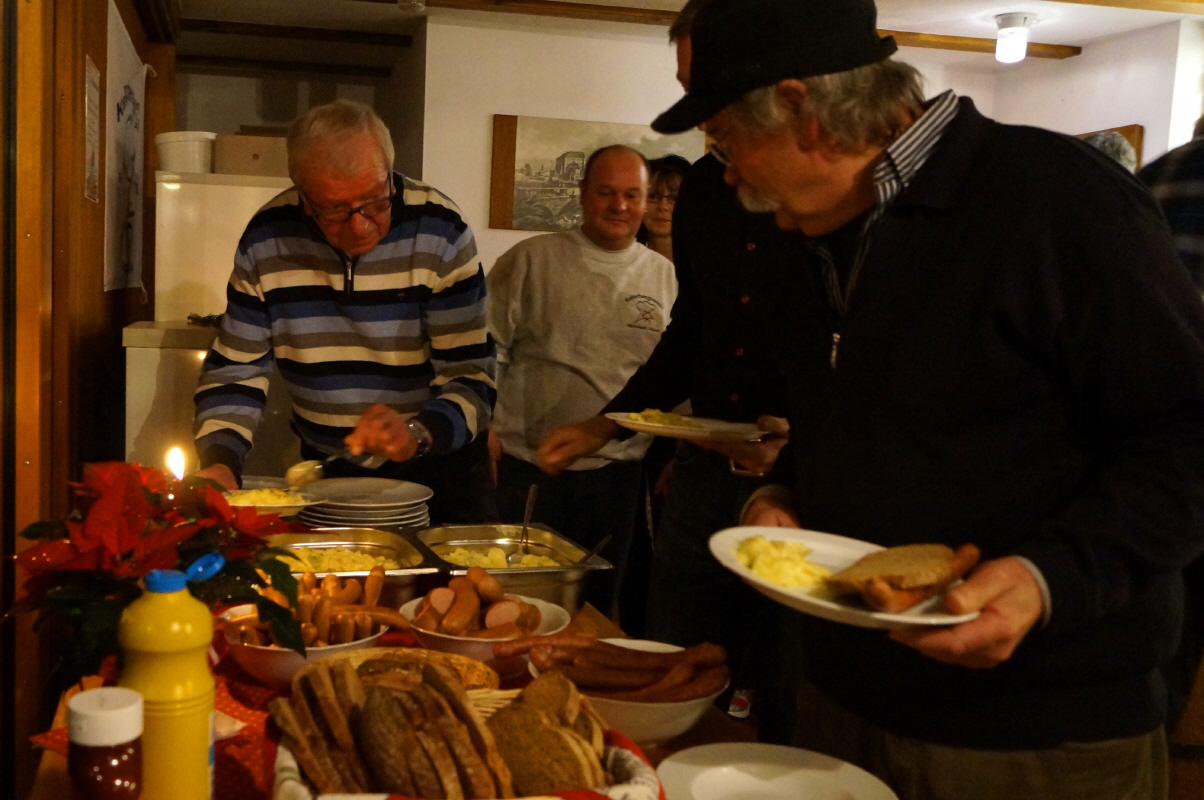
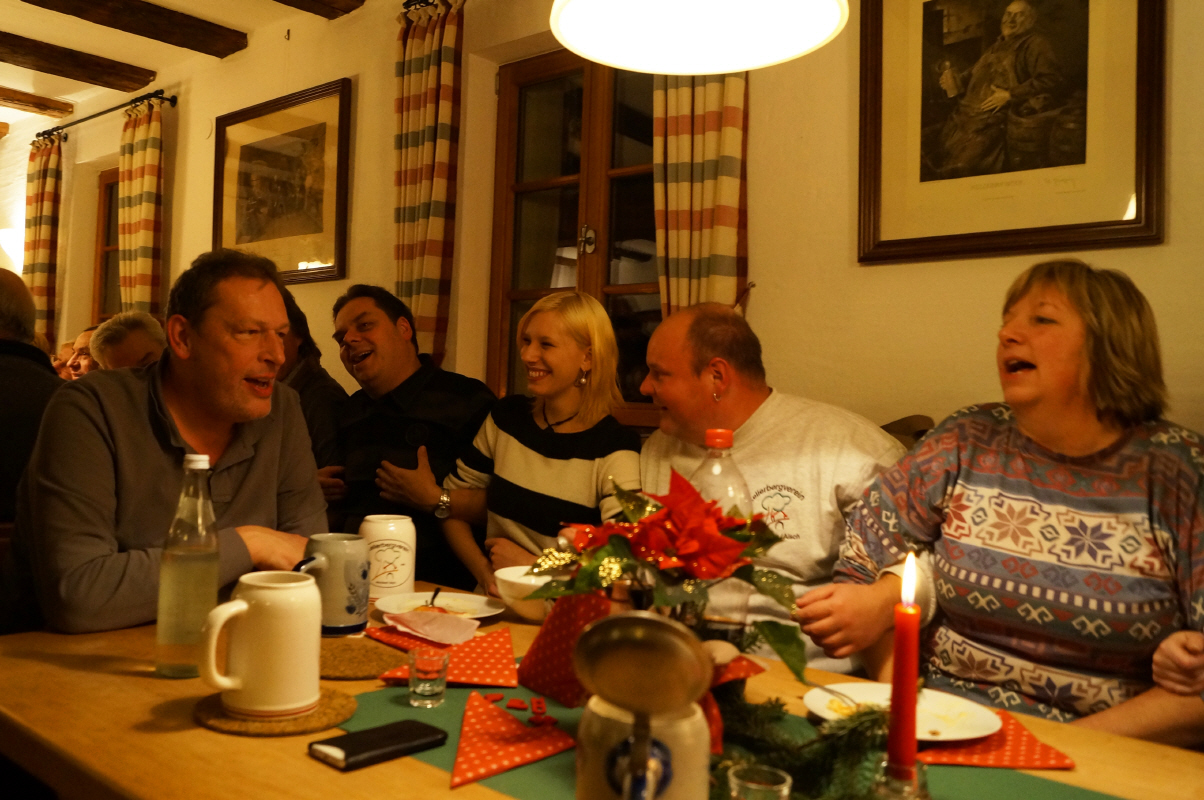
This Franconian New Year’s custom takes place on the eve of 6 January, which used to be considered the beginning of the new year. People drink ‘Stärk’ – meaning strength and health – for the new year. To be prepared for all twelve months, you should drink twelve Seidla of bock beer. The custom dates back to pre-Christian Raunächte, when people tried to drive away evil spirits with noise, smoke and drinking. In the past, people celebrated exuberantly in taverns or at home, and everyone – men, women, servants and even children (with dessert wine) – was allowed to drink. Today, the custom is particularly popular in Upper Franconia, for example by the Kellerbergverein in Höchstadt.
Cheers:
The expression comes from Latin and means ‘May it be useful’. In its Germanised form (‘Prost’), it is a toast used when clinking glasses to wish others well.
dsc07291x
Turn of the year
dsc07354x
Turn of the year
Nach oben scrollen